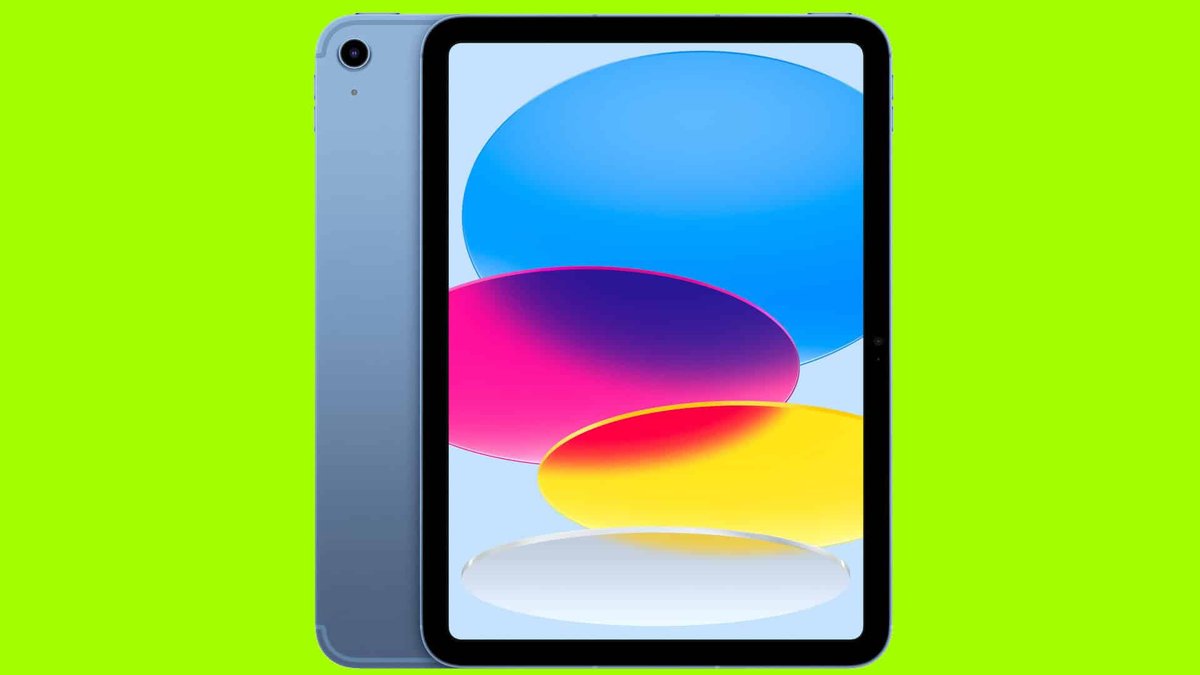
Your iPad's Secret Identity: Unmasking Its Generation with the Serial Number
Ever found yourself staring at your iPad, wondering exactly which model it is? Perhaps you're buying a new accessory, troubleshooting an issue, or eyeing a trade-in, and suddenly the distinction between an iPad Air 2 and a 6th generation iPad becomes critically important. While Apple's sleek designs often make generations look similar, identifying iPad generation using the serial number is the ultimate key to unlocking its precise identity. This tiny string of characters is more than just a label; it's your device's unique digital fingerprint, capable of revealing everything from its manufacturing date to its exact model and warranty status. Forget guesswork – we're about to show you how to leverage this powerful identifier to fully understand your iPad.
At a Glance: Serial Number Superpowers
- Universal Identifier: Every iPad has a unique serial number.
- Easy to Find: It's on your device, packaging, and in your Apple ID settings.
- Reveals Everything: Model, generation, specs, warranty, activation lock status.
- Crucial for Support: Essential for repairs, trade-ins, and accessory compatibility.
- Security Minded: Newer serial numbers are randomized for enhanced privacy.
- Apple's Tool is Best: Use Apple's official "Check Coverage" website for accurate lookups.
Why Your iPad's Serial Number Is Its Digital Fingerprint
Think of your iPad's serial number as its DNA. This unique alphanumeric code is etched into the very fabric of your device's existence, serving as a critical identifier for myriad purposes. Without it, you'd be navigating a sea of similar-looking tablets, unable to pinpoint the specifics that make your iPad, your iPad.
From a practical standpoint, this string of characters is your golden ticket to vital information. Need to know if your iPad is still under warranty? The serial number tells you. Want to ensure you're buying a case that perfectly fits your specific model? The serial number provides the definitive answer. Even for more complex tasks, like filing an insurance claim or confirming the authenticity of a used device, the serial number is the undisputed source of truth. It's the primary way Apple—and you—can distinguish one device from millions of others, making it indispensable for proper device management and peace of mind. To truly understand your device and learn how to find your iPad generation, the serial number is your starting point.
Unearthing Your iPad's Serial Number: Every Way to Find It
Before you can decode your iPad's identity, you first need to locate its serial number. Fortunately, Apple provides several convenient ways to do this, even if your device isn't fully functional or you don't have it on hand.
1. Directly on Your iPad (The Easiest Method)
If your iPad is powered on and accessible, this is the quickest route:
- Open the Settings app.
- Tap on General.
- Select About.
- Scroll down, and you'll see your Serial Number listed. You can even tap and hold to copy it for easy pasting elsewhere.
2. On the iPad's Back Cover
Apple conveniently prints the serial number in tiny, almost hidden text on the back of many iPad models, usually near the bottom. You might need good lighting and perhaps a magnifying glass to read it clearly, but it's there, a physical testament to your device's identity.
3. Original Packaging
Did you keep the box? Good for you! The serial number is always printed on a sticker label affixed to the original iPad packaging. This is particularly handy if you're selling the device or it's currently unusable.
4. Through iTunes or Finder (If Synced)
If your iPad has ever been synced with a computer, its serial number is stored there:
- For macOS Catalina (10.15) or later:
- Open Finder.
- Connect your iPad to your Mac using a USB cable.
- Select your iPad from the sidebar under 'Locations'.
- In the 'General' tab, you'll find the serial number displayed prominently.
- For macOS Mojave (10.14) or earlier, or Windows PCs:
- Open iTunes.
- Connect your iPad to your computer.
- Click on the small iPad icon near the top left of the iTunes window (below the menu bar).
- In the 'Summary' tab, you'll see your device details. Click on Serial Number to cycle through other identifiers like the UDID or IMEI/MEID if applicable.
5. Your Apple ID Account Page
If your iPad is associated with your Apple ID, you can find its serial number online:
- Go to appleid.apple.com in a web browser.
- Sign in with your Apple ID and password.
- Scroll down to the 'Devices' section.
- Click on your specific iPad in the list, and its serial number, along with other details, will appear.
Beyond the Numbers: What Your Serial Number Reveals (and How to Check It)
Once you have that elusive serial number, its true power comes to light. While you can't simply "read" the model from the serial number itself, Apple provides an authoritative tool that translates this code into comprehensive device details.
The gold standard for a serial number lookup is Apple's official Check Coverage website. This free, easy-to-use tool is your direct line to accurate, up-to-date information about your iPad.
Here's how to use it:
- Navigate to checkcoverage.apple.com in your web browser.
- Enter your iPad's serial number into the provided field.
- Type in the verification code shown on the screen (to prove you're not a robot).
- Click "Continue."
What will this tool reveal? A treasure trove of information, including:
- Exact iPad Model and Generation: This is the big one! It will clearly state, for example, "iPad Air (3rd generation)" or "iPad Pro (11-inch) (4th generation)."
- Manufacturing Details: Though not always explicitly shown, the system internally links to the device's manufacturing date and often the location.
- Technical Specifications: You'll typically see details like storage capacity (e.g., 64GB), Wi-Fi or Wi-Fi + Cellular capabilities, and sometimes even the device's color.
- Warranty Status: Crucially, it will show whether your iPad is still under Apple's Limited Warranty or AppleCare+, along with the estimated expiration date. This helps you understand your service and support options.
- Eligibility for AppleCare+: If your device is still within the window, it will indicate if you can still purchase extended coverage.
- Eligibility for Software Updates: By identifying the exact model, you can then cross-reference it with Apple's compatibility lists to see if it supports the latest iPadOS versions.
- Activation Lock Status: While the Check Coverage tool doesn't directly show this, if you're buying a used iPad, you can use Apple's Activation Lock Status tool (usually linked from the Check Coverage page or found via search) to verify that the device is not locked to a previous owner's Apple ID.
Relying on this official Apple tool ensures you're getting the most accurate and trustworthy information, preventing confusion and potential issues down the line.
The Anatomy of an iPad Serial Number: Old vs. New
For a long time, Apple's serial numbers followed a fairly predictable pattern. These older serial numbers, often 11 or 12 characters long, were almost like a coded message, where certain positions could indicate:
- Manufacturing Location: Which factory or region produced the device.
- Manufacturing Date: Often down to the year and even the week of production.
- Unique Device Identifier: The specific sequence that made that device unique.
This older structure, while providing some insights, also made it theoretically easier for counterfeiters or those with malicious intent to predict or generate fake serial numbers.
However, recognizing the need for enhanced security and privacy, Apple has evolved its approach. Newer iPad models, particularly recent iPad Pro generations and later devices, now utilize a randomized 10-character serial number system. This modern structure offers several benefits: - Enhanced Security: The random nature makes it significantly harder to predict or fake serial numbers, adding an extra layer of protection against fraudulent activities.
- Increased Privacy: By removing discernible patterns related to manufacturing data, it makes it more challenging for third parties to glean specific production information about a device.
While this change means you can no longer "read" manufacturing dates directly from the serial number itself, the underlying purpose remains the same: it's a unique identifier that Apple's systems use to retrieve all the necessary device information. The key takeaway is to rely on Apple's official look-up tools, regardless of the serial number's structure, to get the complete picture.
Safety First: Protecting Your Serial Number
While your iPad's serial number doesn't directly contain personal information like your name, address, or financial details, it's still a sensitive piece of data. It uniquely identifies your specific device, linking it to your Apple ID and, by extension, your purchase history and service records.
Here's why and how to exercise caution:
- Identifies Your Device: Knowing your serial number allows someone to check your device's warranty status, model, and potentially its Activation Lock status (if they also have other details). This information, in the wrong hands, could be used for social engineering attempts or to verify stolen devices.
- Avoid Public Sharing: Never post your serial number publicly on social media, forums, or unencrypted websites. Treat it like you would any other unique identifier.
- Only Use Reputable Sources: When you need to look up information using your serial number, stick to official Apple tools, like the Check Coverage website (checkcoverage.apple.com), or the Apple Support app. Avoid obscure third-party websites that promise "free serial number lookups" without clear affiliation to Apple, as these could be phishing attempts or data harvesting operations.
- Beware of Scams: Be skeptical of unsolicited requests for your serial number, especially via email, text, or phone calls claiming to be from Apple Support. Apple will rarely ask for your serial number in an initial unsolicited contact. If in doubt, always initiate contact with Apple Support yourself through official channels.
Protecting your serial number is a simple step in maintaining your overall digital security and privacy.
Demystifying Other iPad Identifiers: Model Number vs. IMEI
While the serial number is king for precise identification, you'll often encounter other identifiers. Understanding the difference between them prevents confusion and ensures you're looking for the right information for the right purpose.
The Model Number (A####)
The model number is a more general identifier, typically found in the format "A" followed by four digits (e.g., A1416, A2567). Unlike the serial number, which is unique to your specific device, many iPads of the same general type and generation share the same model number.
- What it identifies: The model number broadly identifies a specific iPad model, its generation, and sometimes its market region or cellular capabilities. For example, all Wi-Fi only iPad (3rd generation) models might share the A1416 model number.
- Where to find it: You can find the model number in Settings > General > About, or printed in tiny text on the back of your iPad, often below the word "iPad."
- Primary use: It's useful for quickly cross-referencing against lists (like the partial table we'll show later) to get a general idea of the model. Accessory manufacturers often list compatibility by model number (e.g., "Compatible with iPad Air 4th Gen (A2316, A2324)"). However, for definitive specs and warranty, the serial number is superior.
The IMEI (International Mobile Equipment Identity)
The IMEI is a unique 15-digit number only found on iPads with cellular capability. It identifies the device on global cellular networks, similar to how your phone has an IMEI.
- What it identifies: The IMEI identifies the specific hardware of your cellular-capable iPad to mobile carriers. It's crucial for activating the device on a network and can be used to blacklist a stolen device from connecting to cellular services worldwide.
- Where to find it: You'll find the IMEI listed in Settings > General > About on cellular-enabled iPads. It's also often printed on the SIM tray.
- Primary use: Primarily for cellular network activation, reporting lost or stolen devices to carriers, and confirming whether a device is unlocked from a specific carrier. Wi-Fi-only iPads do not have an IMEI.
In summary, while the model number offers a broad category and the IMEI is specific to cellular functions, the serial number remains the singular, definitive identifier for your individual iPad's comprehensive details and status.
Leveraging Your Serial Number for Warranty, Service, and Support
Knowing your iPad's serial number isn't just for curiosity; it's a practical necessity when interacting with Apple or seeking support. It streamlines the entire process, ensuring you get accurate information and appropriate service.
Checking Warranty and Support Status
As mentioned, Apple's Check Coverage website (checkcoverage.apple.com) is your primary tool. Just enter your serial number, and it instantly tells you:
- Coverage Status: Whether your device is covered by Apple's Limited Warranty or AppleCare+.
- Expiration Date: The estimated expiry date of your coverage.
- Service and Support Eligibility: What kind of technical support and hardware service options are available to you. Standard warranty covers manufacturing defects, while AppleCare+ extends this to accidental damage and offers priority support.
Alternatively, you can use the Apple Support app on another Apple device: - Download and open the Apple Support app.
- Sign in with your Apple ID.
- Your devices will be listed; tap on your iPad to view its warranty information, service options, and even initiate support chats or calls.
Having this information at your fingertips means you can quickly determine if a repair will be covered, or if you still have access to Apple's expert technical assistance.
Troubleshooting and Accessory Compatibility
When you contact Apple Support for an issue, the first thing they'll ask for is your serial number. It allows them to pull up your device's exact specifications, history, and known issues, significantly speeding up the troubleshooting process.
Similarly, for accessories, knowing your precise iPad generation via the serial number is crucial. A case designed for an iPad Air (4th generation) won't fit an iPad Air (5th generation) due to subtle differences in dimensions or button placement, despite their similar names. The same goes for Apple Pencil compatibility (1st gen vs. 2nd gen) or even specific charging cables (Lightning vs. USB-C). Your serial number, translated by Apple's coverage checker, provides the clarity needed to buy compatible accessories the first time.
The Indispensable Role of Serial Numbers in "Find My" and Activation Lock
Beyond mundane details, your serial number is deeply intertwined with Apple's powerful security features, "Find My" and Activation Lock, which are designed to protect your device and data in case of loss or theft.
Find My
"Find My" is a robust service that allows you to locate your iPad on a map, play a sound to find it nearby, mark it as lost, or even remotely erase its data if it falls into the wrong hands. It works using Wi-Fi, cellular, and even a Bluetooth-based network of other Apple devices.
- Serial Number's Connection: While you primarily interact with "Find My" through your Apple ID, the service fundamentally relies on the unique identifier of your device—its serial number—to track and manage its status within Apple's ecosystem. When you mark your iPad as lost, Apple's servers associate that status with your device's unique serial number.
Activation Lock
This is arguably one of Apple's most effective anti-theft measures. Activation Lock is automatically enabled whenever you turn on "Find My iPad" (which is typically on by default). It links your iPad's serial number to your Apple ID.
Here's how it works and why it's so powerful:
- Prevents Unauthorized Use: If your iPad is lost or stolen, Activation Lock prevents anyone else from activating, restoring, or using your device without your Apple ID and password. Even if someone wipes the device, it will still require your Apple ID credentials to reactivate it.
- Renders Stolen Devices Useless: This dramatically reduces the incentive for theft, as a locked iPad is essentially a brick to anyone but the legitimate owner.
- Crucial for Buying Used Devices: If you're purchasing a used iPad, it is absolutely paramount to ensure the seller has turned off "Find My iPad" and removed Activation Lock before you take possession. You can ask the seller to demonstrate this, or use Apple's Activation Lock status tool (if available, often linked via Apple Support) to verify the device isn't tied to a previous owner's Apple ID. A legitimate seller will have no problem doing this. If they hesitate, walk away.
The serial number acts as the immutable link that makes Activation Lock so effective, cementing your ownership and rendering your iPad useless to thieves.
Smart Selling: Preparing Your iPad for Trade-In or Resale
Deciding to upgrade or simply part ways with your iPad? Before it leaves your hands, it's vital to properly prepare it, protecting your personal data and ensuring a smooth transition for the next owner. Your serial number plays an indirect but important role here.
The first and most critical step is to erase all content and settings. This action does much more than just deleting your photos; it performs a secure wipe of your entire device, unlinking it from your Apple ID and removing all personal data.
Here’s how to do it:
- Back up your iPad: If you want to keep any data, ensure you've backed it up to iCloud or your computer.
- Unpair any accessories: If you have an Apple Pencil or Bluetooth keyboard, unpair them.
- Turn off Find My iPad and Activation Lock: Go to Settings > [Your Name] > Find My, then tap Find My iPad and turn it off. You'll need to enter your Apple ID password to confirm. This is essential, as it also disables Activation Lock, making the device ready for a new owner.
- Erase all content and settings: Navigate to Settings > General > Transfer or Reset iPad > Erase All Content and Settings. Follow the prompts. You might be asked for your passcode and Apple ID password again.
Once this process is complete, your iPad is reset to its factory defaults, effectively becoming "new" again from a software perspective. This is where the serial number comes back into play: when the buyer uses Apple's Check Coverage tool with the serial number, they will see that the device is no longer linked to an active Apple ID and is free for them to set up. Providing the serial number to a prospective buyer allows them to verify its model, specs, and clean status, building trust and potentially increasing its resale value.
The Ultimate Guide: Identifying Your Exact iPad Model and Generation
So, you have your serial number, and you're ready to pinpoint your iPad's precise identity. The most reliable and universally accepted method, as we've highlighted, is through Apple's official tools.
Step-by-Step for Definitive Identification:
- Retrieve Your Serial Number: Use any of the methods described earlier (Settings > General > About, back of the device, original box, iTunes/Finder, or Apple ID account page). Copy it accurately.
- Visit Apple's Check Coverage Website: Open your web browser and go to checkcoverage.apple.com.
- Enter the Serial Number: Paste or type your serial number into the designated field.
- Complete the Captcha: Enter the characters from the image to verify you're human.
- Click "Continue": The website will process your request.
- Read the Results: The page will display key information about your device. Look specifically for the "Your Product" section, which will clearly state the precise model name and generation of your iPad (e.g., "iPad mini (6th generation)" or "iPad Pro (12.9-inch) (5th generation)").
This method provides the most accurate and current information direct from Apple's database, leaving no room for ambiguity. Once you have this definitive model name, you can cross-reference it with comprehensive lists of iPad models (like the example provided earlier) if you want to delve into specific release years or detailed feature sets. No matter how many times you need to confirm, this process ensures you always get the right answer regarding your iPad's true identity and helps you learn more about how to find your iPad generation.
Why Precision Matters: The Perks of Knowing Your iPad's True Identity
Knowing the exact model and generation of your iPad isn't just a technical detail for Apple enthusiasts; it's genuinely crucial for a host of practical reasons that impact your device's functionality, usability, and longevity.
- Software Updates: Not all iPads support the latest iPadOS. Knowing your generation instantly tells you if your device is eligible for the newest features, security patches, and performance improvements, or if it has reached the end of its software update lifecycle.
- Accessory Compatibility: This is perhaps the most common reason to identify your iPad. Whether it's a case, screen protector, keyboard, or Apple Pencil, compatibility is often generation-specific. A 2nd generation Apple Pencil, for instance, only works with certain iPad Pro and Air models, while the 1st generation works with others. Avoid wasted purchases by knowing your model precisely.
- Troubleshooting and Support: When contacting Apple Support or a third-party repair shop, providing the exact model number allows technicians to accurately diagnose issues, look up relevant documentation, and order the correct replacement parts. Generic descriptions can lead to delays or misdiagnosis.
- Trade-In and Resale Value: The specific generation of your iPad significantly impacts its market value. A newer generation, even if it looks similar, will command a higher price. Accurate identification ensures you get a fair valuation when selling or trading in.
- Repair Services: Different iPad generations have different internal components and repair procedures. Knowing the exact model ensures that technicians have the right tools and parts for the job, reducing repair time and ensuring quality.
- App Compatibility: Some demanding applications or games require specific processing power or memory that only newer iPad generations possess. Confirming your model helps you verify if certain apps will run smoothly on your device.
- Performance Expectations: An iPad from 2015 will naturally perform differently than one from 2023. Knowing your generation sets realistic expectations for speed, multitasking capabilities, and overall user experience. This helps you understand why some apps might feel sluggish or why your device struggles with certain tasks. For those wondering how to find your iPad generation, this precision is invaluable.
By taking a few moments to identify your iPad's generation using its serial number, you empower yourself with critical information that enhances your entire ownership experience.
Navigating the iPad Generations: A Curated Overview
While Apple's Check Coverage tool provides the definitive answer, it's helpful to have a general understanding of the iPad family tree. The range is vast, from the original iPad in 2010 to the powerful M-chip-powered models of today, each bringing its own set of advancements.
To illustrate the diversity, here's a small sample of iPad models, demonstrating how features and numbering have evolved. Remember, this is just a glimpse; a comprehensive table would be extensive!
| Model Number(s) | Model Name | Generation | Release Year | Key Features |
|---|---|---|---|---|
| A1219, A1337 | iPad | 1st | 2010 | The original, 9.7-inch display, Apple A4 chip |
| A1395, A1396, A1397 | iPad 2 | 2nd | 2011 | Thinner, lighter, Apple A5 chip, front/rear cameras |
| A1416, A1430, A1403 | iPad (3rd generation) | 3rd | 2012 | Retina display, Apple A5X chip |
| A1458, A1459, A1460 | iPad (4th generation) | 4th | 2012 | Lightning connector, Apple A6X chip |
| A1474, A1475, A1476 | iPad Air | 1st | 2013 | Significantly thinner and lighter design |
| A1538, A1550 | iPad mini 4 | 4th | 2015 | Thinner design, Apple A8 chip |
| A2152, A2123, A2153, A2154 | iPad Air (3rd generation) | 3rd | 2019 | Apple A12 Bionic, Apple Pencil 1st gen support |
| A2696, A2757, A2777, A2591 | iPad (10th generation) | 10th | 2022 | All-screen design, USB-C, landscape front camera |
| A2567, A2568, A2569 | iPad mini (6th generation) | 6th | 2021 | All-screen, USB-C, Apple A15 Bionic, Apple Pencil 2nd gen support |
| A2759, A2761, A2435, A2762 | iPad Pro (11-inch) | 4th | 2022 | Apple M2 chip, Stage Manager, ProRes video |
| A2764, A2766, A2436, A2764 | iPad Pro (12.9-inch) | 6th | 2022 | Apple M2 chip, Liquid Retina XDR display |
| This table shows how the "iPad," "iPad Air," "iPad mini," and "iPad Pro" lines have evolved, often with distinct features and chipsets for each new iteration. The generation number is key, as it denotes the internal upgrades and design changes that truly differentiate the models. |
Your Next Steps: Empowered by Your iPad's Identity
By now, you should feel confident in your ability to locate and utilize your iPad's serial number to uncover its precise generation and a wealth of other vital information. This small alphanumeric code is truly a gateway to understanding your device better, enabling smarter decisions about accessories, repairs, software, and even its eventual resale.
Whether you're a seasoned tech enthusiast or a casual user, the power to definitively identify your iPad lies within this guide. Bookmark Apple's Check Coverage page, remember where to find your serial number, and you'll always have the knowledge you need to manage your iPad with confidence. From ensuring you install the correct software updates to selecting the perfect case or confirming eligibility for a trade-in, your iPad's serial number is your most trustworthy resource. Take action today, discover your iPad's full story, and confidently engage with the world of Apple technology, knowing exactly what you're working with. If you're still curious about the broader landscape, learning more about how to find your iPad generation through various other clues can further enrich your understanding.